
Description
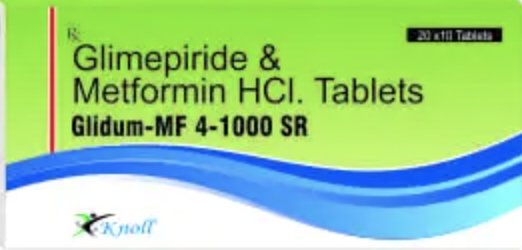
Generic Glimepiride 4 mg + Metformin 1000 mg is a prescription combination tablet used for blood sugar management in adults with type 2 diabetes when lower doses or simpler regimens are not meeting targets. This is a higher-strength combination, so clinicians typically prescribe it after gradual titration and review of glucose logs, kidney function, and tolerance.
Why doctors may step up to this strength?
Doctors consider this pairing when fasting readings remain elevated despite metformin use, and when post-meal rises still require stronger lowering. The 1000 mg metformin component supports baseline insulin sensitivity and hepatic glucose control, while the 4 mg glimepiride adds a stronger insulin-release effect. This combination can reduce multiple tablets in patients already taking both medicines separately.
How it supports better bloog sugar control?
Metformin reduces glucose production in the liver and improves insulin sensitivity, which supports steadier fasting and day-to-day control. Glimepiride stimulates insulin release from the pancreas, lowering glucose effectively but increasing the risk of low blood sugar when meals are skipped, delayed, or reduced. The risk can also increase with sudden intense exercise, alcohol intake, or when used with other glucose-lowering medicines.
How to take?
Many patients take this medicine with a main meal, often breakfast, to align glimepiride action with food intake and to reduce stomach upset from metformin. Maintain consistent meal timing. Do not change dose frequency or split tablets unless your prescriber specifically advises it. If you miss a dose, follow your clinician’s instructions rather than taking an extra dose close to the next scheduled one.
How to use Glimepiride 4 mg + Metformin 1000 mg carefully?
Commonly prescribed for: step-up therapy in type 2 diabetes, patients needing stronger control of fasting and post-meal readings, combination therapy to reduce pill burden
Use caution if: kidney impairment, liver impairment, irregular appetite, older age with fall risk, or prior low blood sugar episodes
Discuss fasting routines and alcohol use in advance, because safety risk rises
Suggestions
Doctors typically monitor glycated hemoglobin, kidney function, and home glucose logs; vitamin B12 may be checked with long-term metformin use
Seek urgent advice for confusion, fainting, severe sweating, repeated low readings, persistent vomiting or diarrhoea, or severe weakness
Health suggestion for diabetes when taking Glimepiride + Metformin Hydrochloride
- Keep meals predictable and avoid skipping breakfast; carry a quick glucose source if advised
- Prioritise high-fibre foods and adequate protein to reduce sharp post-meal spikes
- Monitor glucose more frequently during dose changes, travel, illness, or increased activity
- Maintain hydration and limit alcohol to reduce low blood sugar risk and glucose variability
Reviews
There are no reviews yet.